Preventing cavities and evaluating oral-health supplements
The most dependable cavity-prevention plan controls plaque, strengthens teeth with fluoride, limits frequent sugar exposure and addresses dry mouth. Oral supplements may advertise microbiome, gum or breath support, but a product label does not demonstrate that the formula prevents or treats cavities.
A prevention routine that targets the causes
Brush twice daily for two minutes with fluoride toothpaste and spit rather than repeatedly rinsing away the residue. Clean between teeth once a day with floss, interdental brushes or another method that reaches the spaces your toothbrush misses.
Frequency matters as much as the total amount of sugar. Repeated snacks, sweet drinks, cough drops and slowly dissolving candies prolong acid attacks; keeping them with meals and choosing water between meals reduces exposure.
- Use an age-appropriate fluoride toothpaste with an ADA-accepted or otherwise clearly labeled fluoride concentration
- Replace a worn toothbrush or brush head
- Ask about fluoride varnish or prescription fluoride if your cavity risk is high
- Choose sugar-free medicines when practical
- Keep regular recall visits based on your individual risk
Dry mouth and other risk factors
Saliva dilutes acids, clears food and supplies minerals, so persistent dry mouth substantially raises cavity risk. Causes include medications, dehydration, tobacco, head-and-neck radiation and medical conditions; management should address the cause rather than merely masking the sensation.
Sip water, discuss medication effects with the prescriber and consider sugar-free gum or lozenges if chewing is safe. Avoid tobacco and frequent acidic drinks, and ask a dentist about concentrated fluoride or saliva-support strategies when dryness is ongoing.
- Higher risk: previous recent cavities, exposed roots, dry mouth and frequent sugar intake
- Additional challenges: braces, partial dentures and restorations with difficult-to-clean margins
- Seek assessment for dry mouth accompanied by trouble swallowing, mouth sores or rapid new decay
Recommended Products
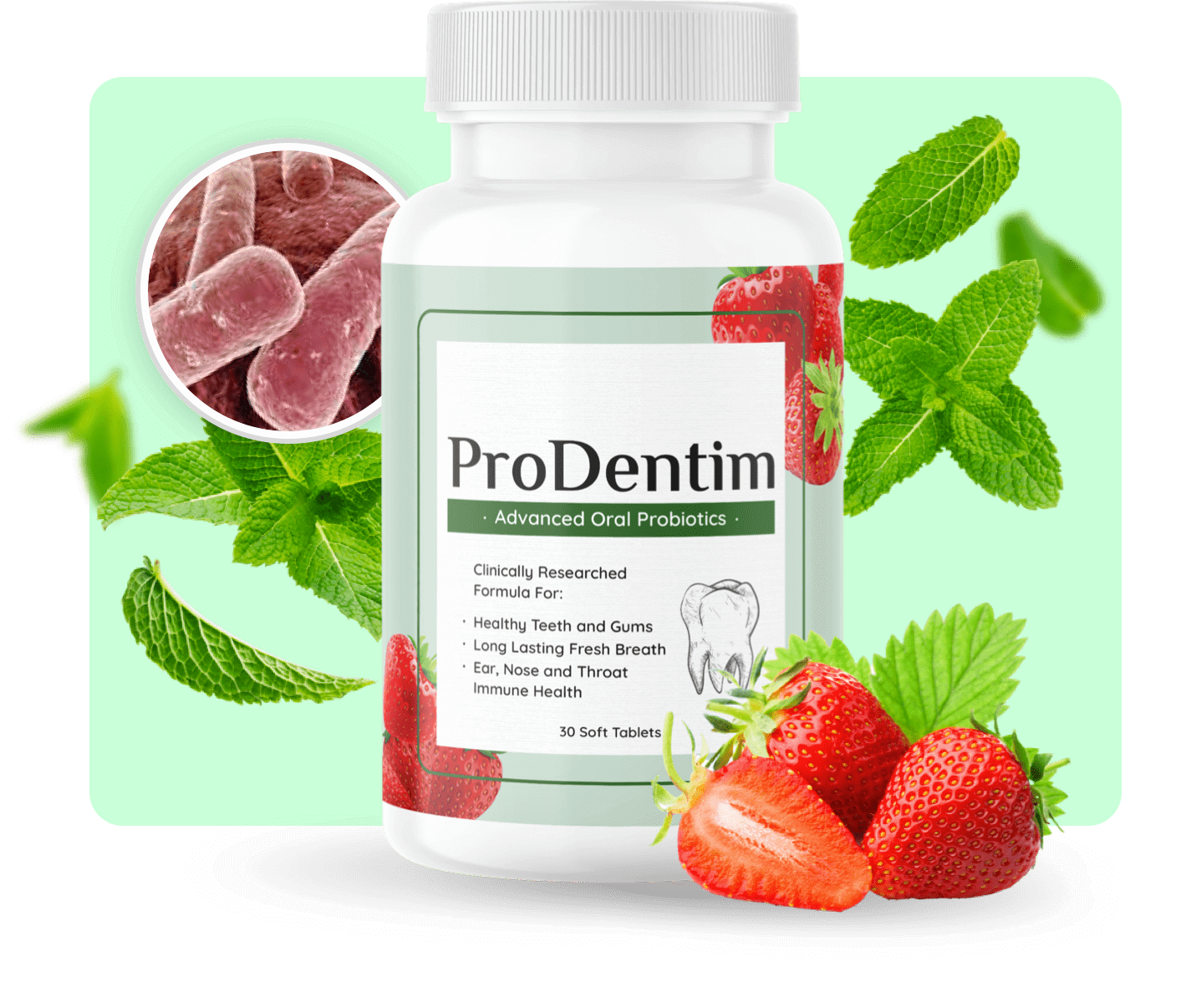
prodentim
The seller describes ProDentim as a probiotic-and-nutrient oral supplement containing 3.5 billion microorganisms, including B. lactis BL-04 and Lactobacillus reuteri. The disclosed formula also mentions inulin, peppermint, calcium, magnesium and strawberry-derived malic acid, although the merchant text does not establish cavity treatment.
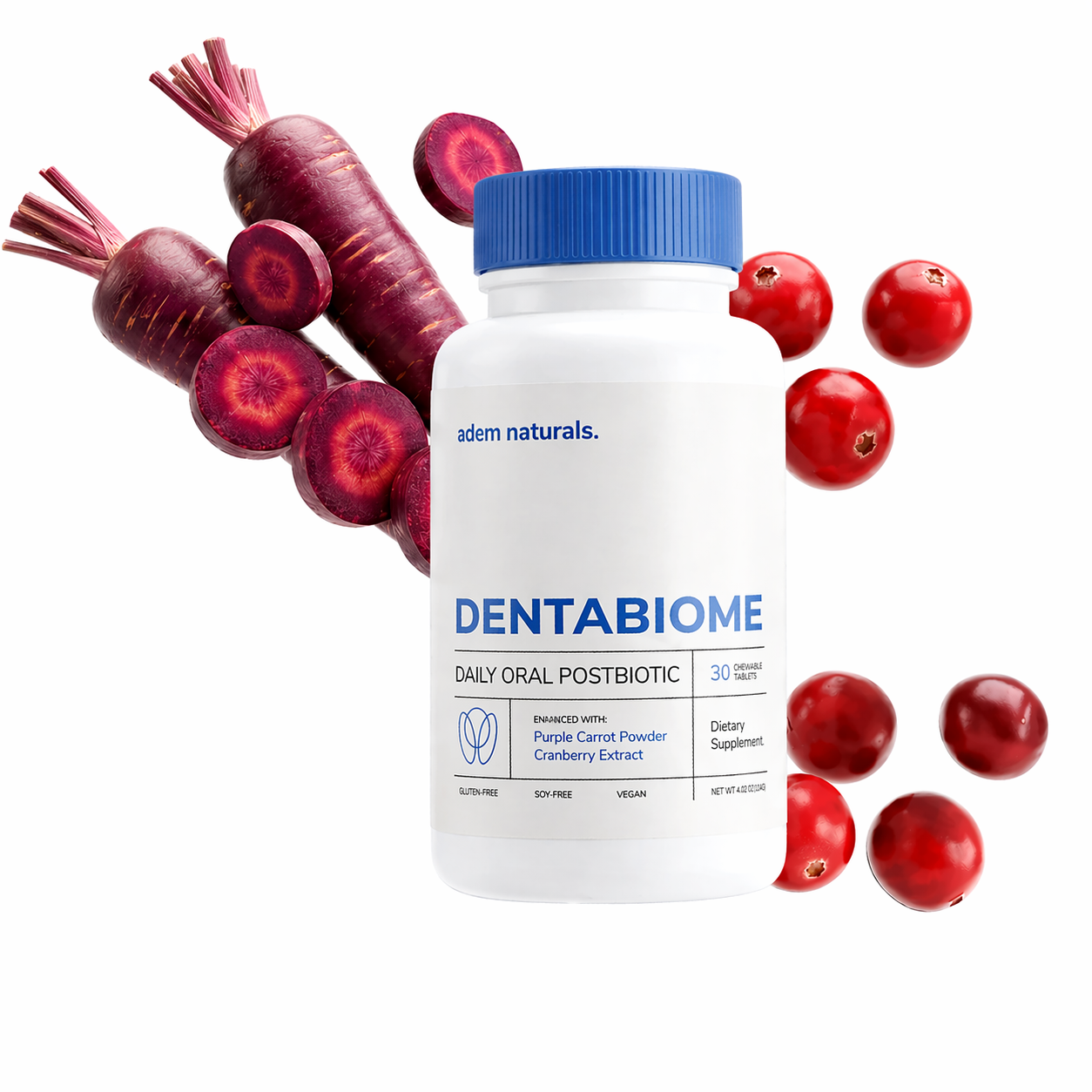
dentabiome
DentaBiome is presented as a chewable postbiotic product containing L. plantarum, L. salivarius and L. rhamnosus preparations. Its merchant description also lists xylitol, cranberry extract, purple carrot powder and BioFresh Clean Complex, with emphasis on breath, gum comfort and oral microbiome balance.
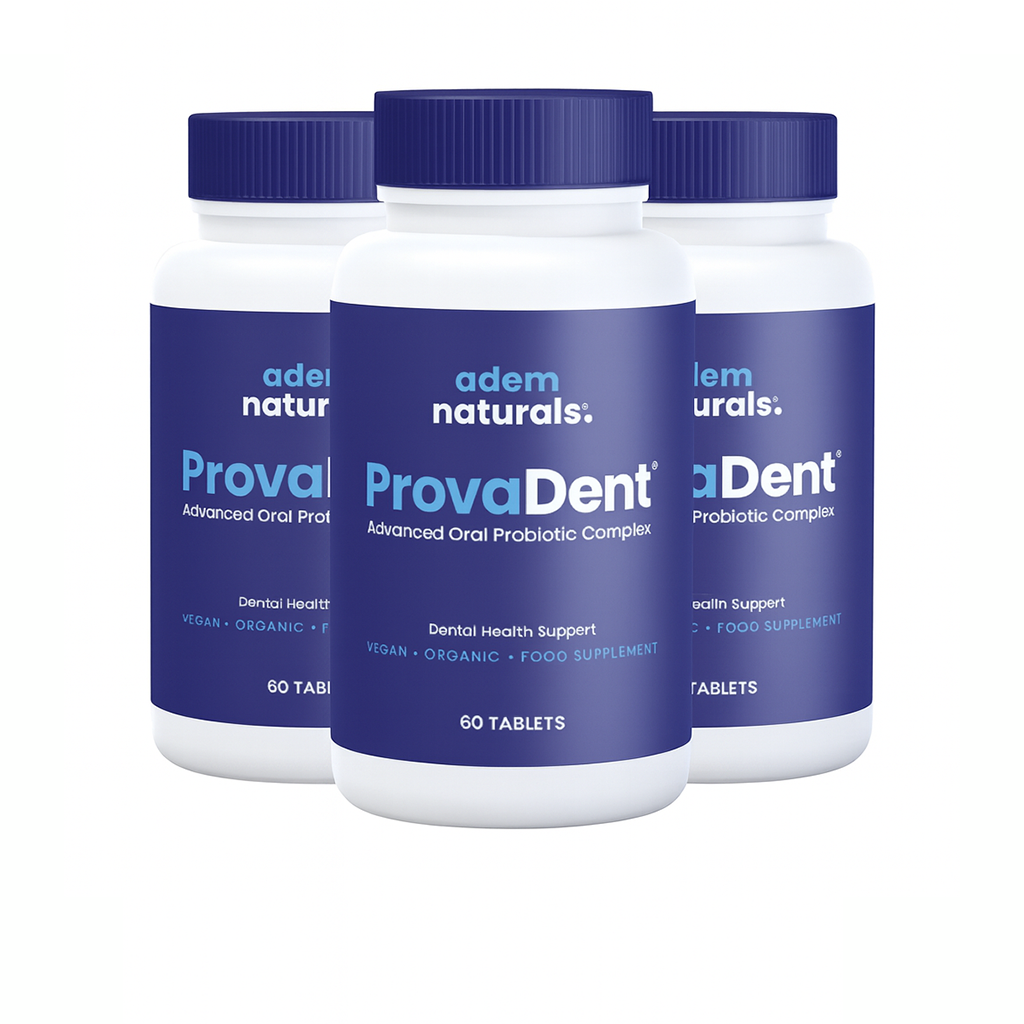
provadent
ProvaDent is described by its seller as a capsule containing four probiotic strains along with organic xylitol, cranberry extract, purple carrot powder and BioFresh Clean Complex. The marketing centers on fresh breath and microbiome support, but the supplied text does not identify the four strains or provide evidence that the finished formula prevents cavities.
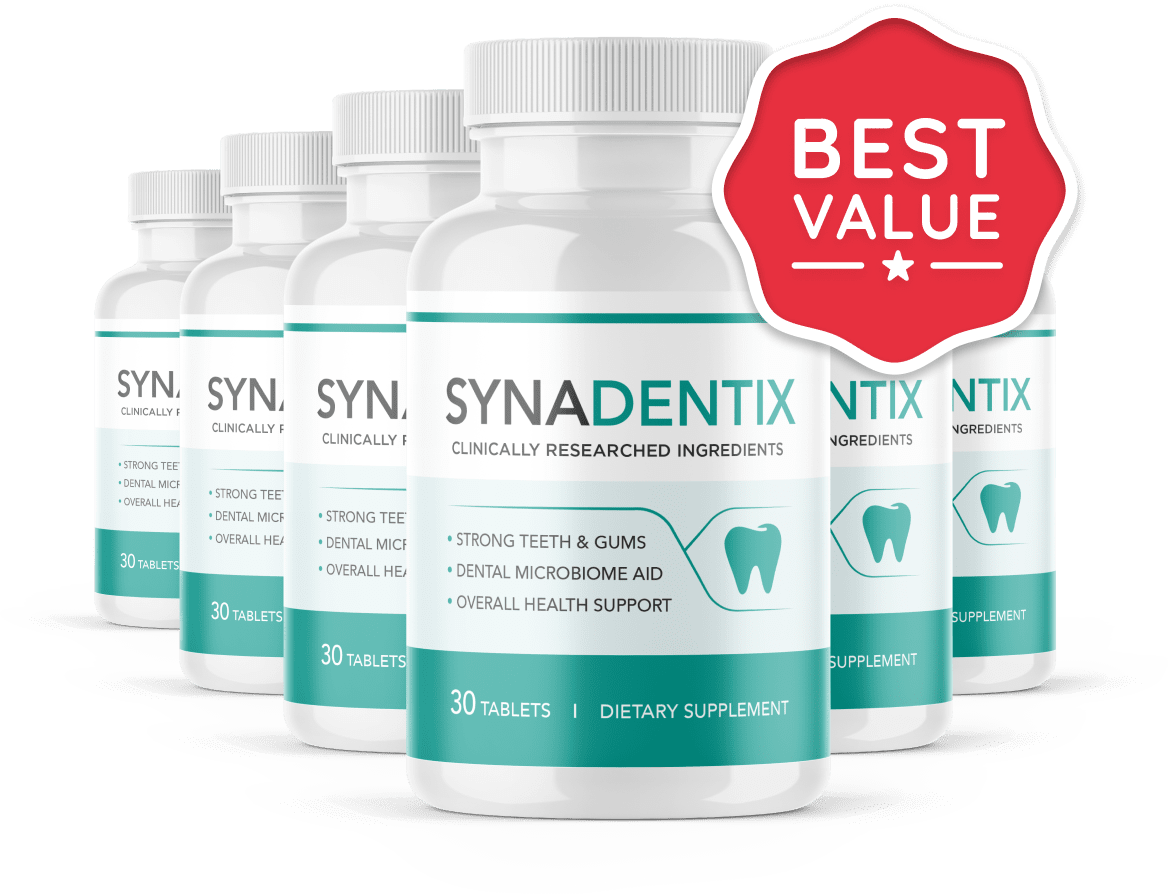
synadentix
Synadentix is sold as a chewable intended to melt under the tongue or be slowly chewed at night. The seller identifies microcrystalline hydroxyapatite complex, lactoferrin and marine enzymes as central components, but does not provide enough information here to equate the product with a studied fluoride treatment.
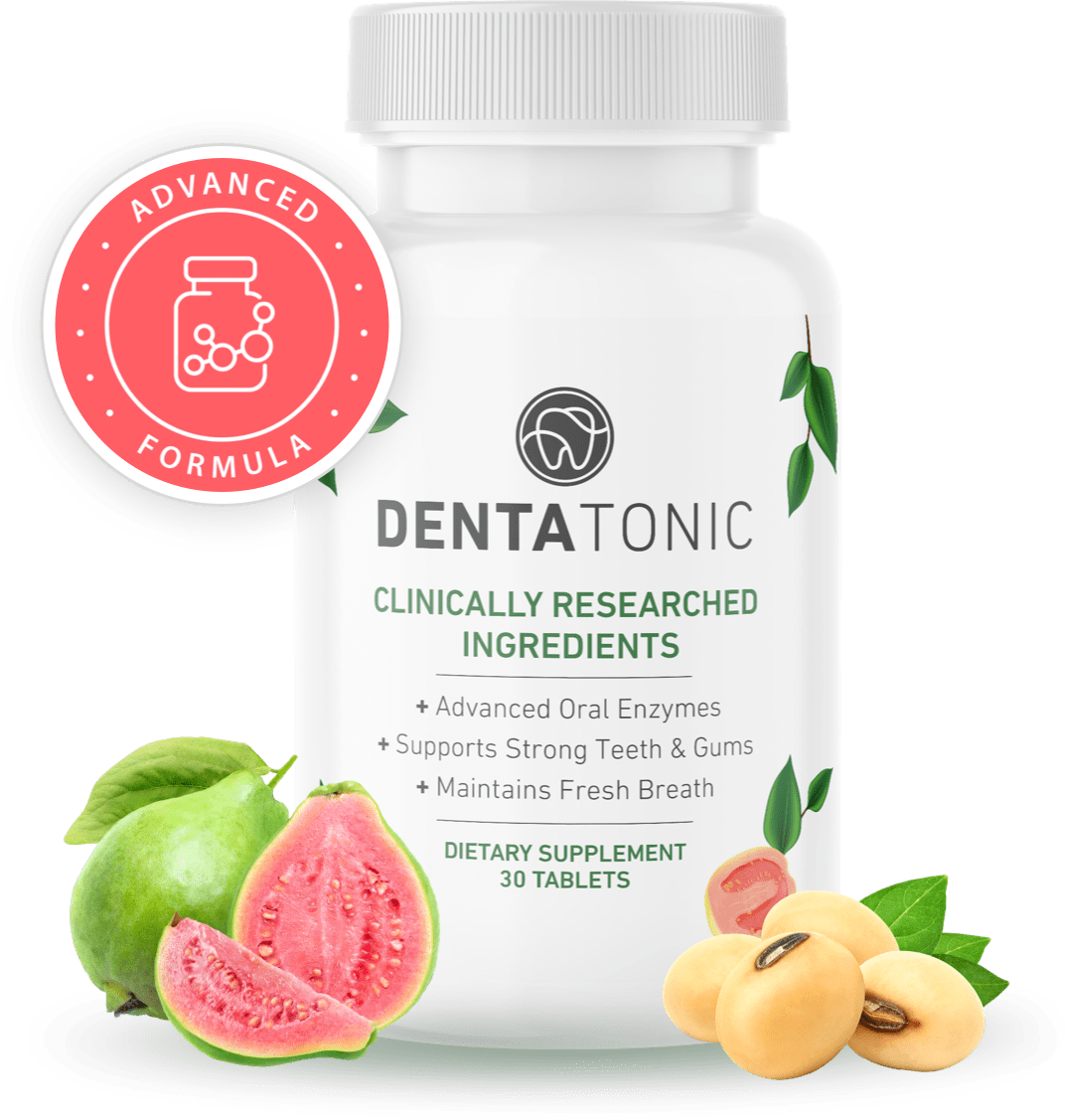
dentatonic
DentaTonic's merchant text describes a once-daily tablet made with a proprietary blend of enzymes and proteins. It particularly emphasizes ingredients intended to replenish salivary lactoperoxidase, while leaving the individual amounts and complete formula unclear in the supplied excerpts.
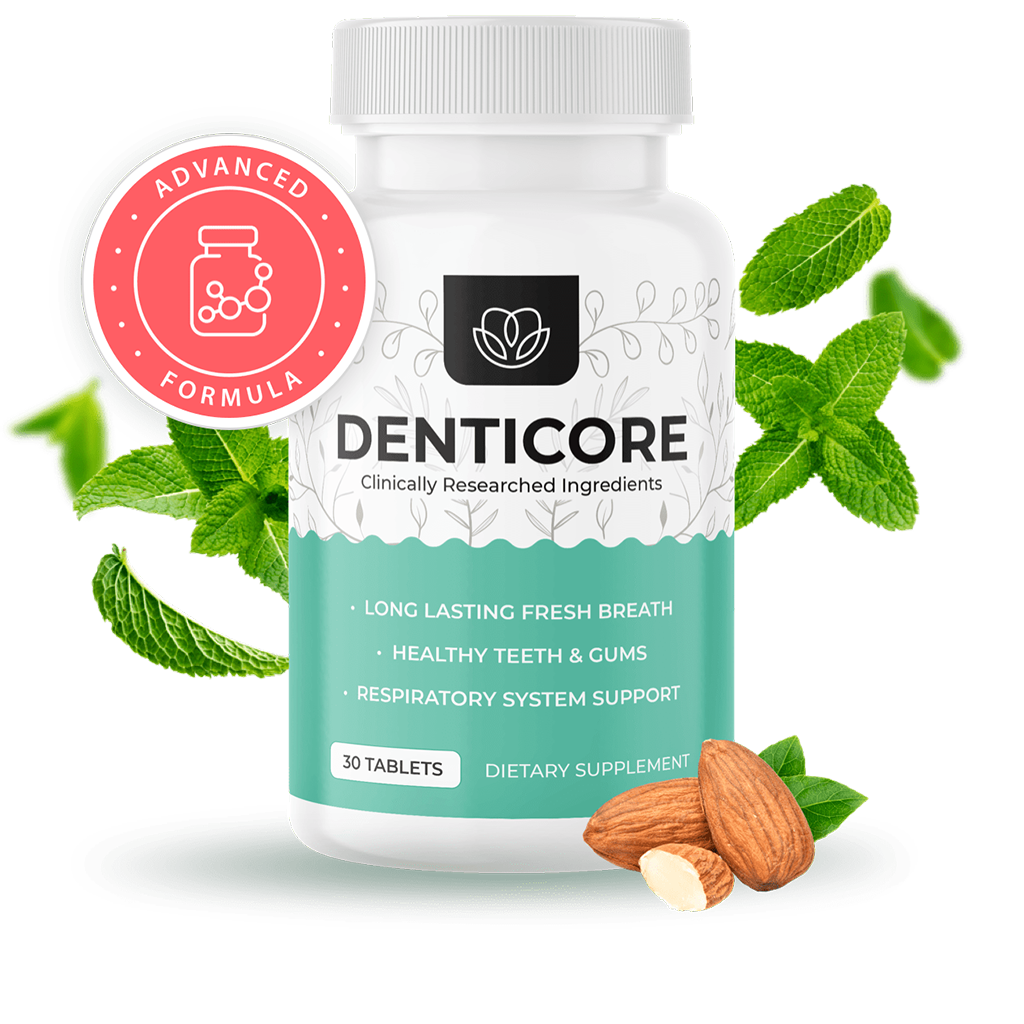
denticore
DentiCore is marketed as a plant-and-mineral formula, with calcium and shilajit extract specifically named in the merchant copy. The seller describes a soft chewable that may be briefly chewed or swallowed, although the supplied page also uses capsule terminology, so the package format should be confirmed.

dentitox pro
Dentitox Pro is presented as a liquid dental supplement used in drops. Its seller lists licorice, elderberry, xylitol and vitamins A, C and D3, positioning the formula around tooth and gum support rather than supplying clinical proof that the drops eliminate cavities.
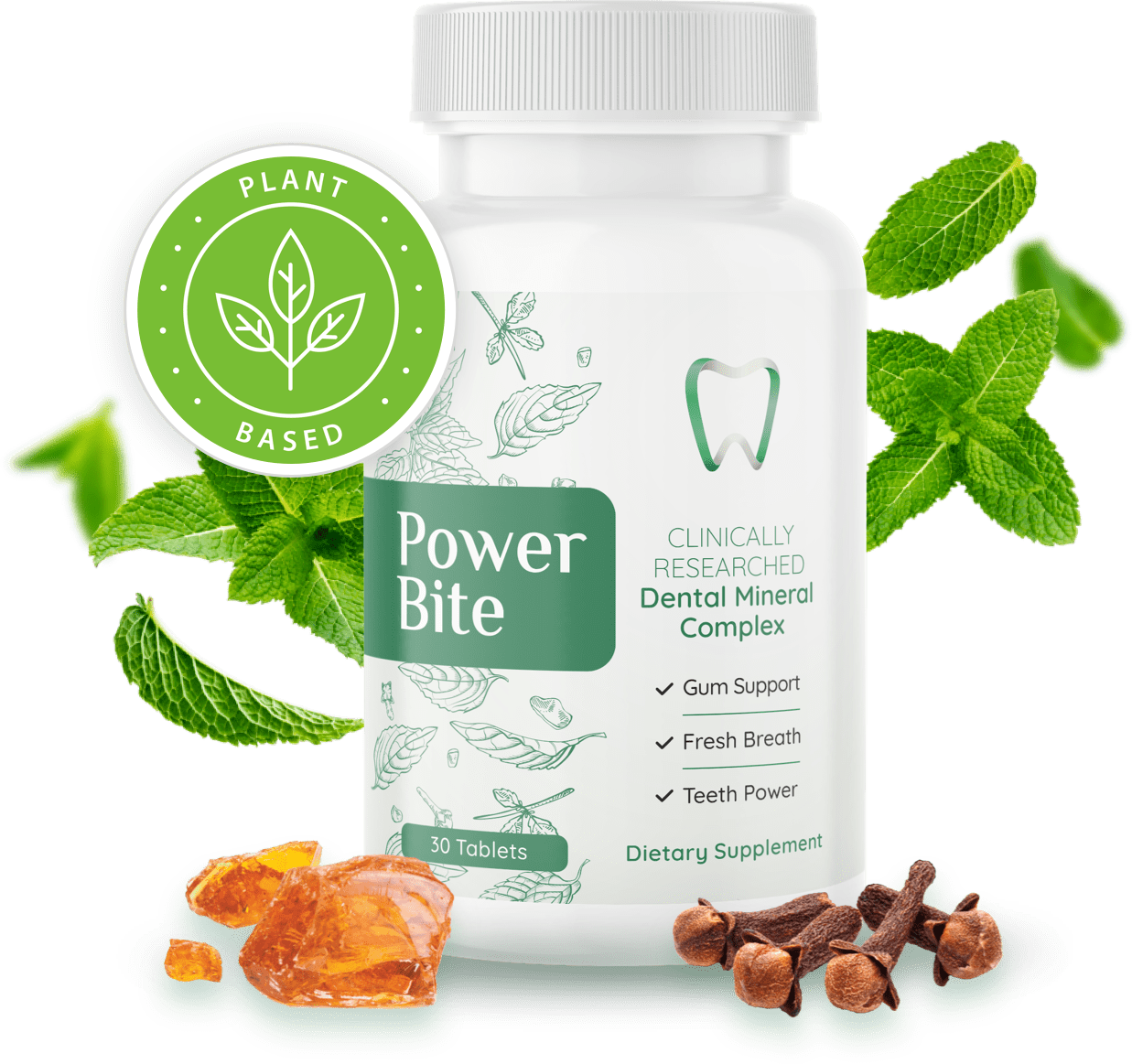
powerbite
PowerBite is marketed as a dental candy containing a proprietary blend of plant and mineral extracts. Myrrh and wild mint are the specifically named botanicals, but the supplied excerpts do not disclose their amounts or demonstrate that the candy prevents or treats decay.
Probiotics, postbiotics and label terminology
Probiotics are live microorganisms, while postbiotics are preparations of nonliving microorganisms or their components. For a probiotic, a meaningful label identifies organisms down to the strain when available, gives viable counts such as colony-forming units through a stated point in shelf life and provides storage directions.
CFUs do not apply in the same way to nonliving postbiotic preparations. Neither a long ingredient list nor a large microbial count proves cavity prevention: effects can depend on the exact strain, dose, delivery method, study population and outcome measured.
Xylitol in adequate, repeated topical exposure may reduce acid production and support saliva, but its presence in an unspecified proprietary blend does not reveal whether the studied exposure is reached. Hydroxyapatite products are also formulation-dependent, and they should not automatically be treated as equivalent to fluoride toothpaste.
What merchant pages cannot establish
Seller descriptions, testimonials, popularity and money-back offers do not establish that a product reverses decay, prevents fillings or treats an infection. Look for a complete Supplement Facts or Drug Facts panel, allergen information, lot and expiration details, manufacturer contact information and evidence tied to the exact finished formula.
How the featured products differ
The supplied merchant descriptions span probiotics, postbiotics, mineral formulas, tablets, drops and a candy-style product. ProDentim and ProvaDent emphasize probiotic ingredients; DentaBiome is presented as a chewable postbiotic formula; Synadentix highlights microcrystalline hydroxyapatite, lactoferrin and marine enzymes.
DentaTonic emphasizes enzymes and proteins associated with saliva, while DentiCore describes a mineral and plant formula. Dentitox Pro is sold as drops containing vitamins, plants and xylitol, and PowerBite is presented as a dental candy with plant and mineral extracts.
Before buying, verify the actual package because merchant wording can be inconsistent about formats. Consider sugar content, sweeteners, allergens, interactions, microbial strain identification and whether a dissolving or candy-style format increases contact time with fermentable ingredients.
- For live probiotics: check strain identifiers, viable count, expiration and storage
- For postbiotics: look for a defined preparation and amount, not a CFU headline
- For mineral products: compare the disclosed compound and dose with the evidence being cited
- For drops, candies and chewables: inspect sweeteners, acidity and directions for tooth contact
- For proprietary blends: recognize that undisclosed amounts limit meaningful comparison
Frequently Asked Questions
No oral probiotic has been established as a replacement for restoring a cavitated tooth. A dentist should determine whether the lesion is still non-cavitated and potentially arrestable or whether structural repair is needed.
No. Xylitol is a nonfermentable sweetener that can support saliva and reduce acid production in certain uses. Fluoride directly improves enamel resistance and remineralization and has a much more established role in cavity prevention.
Not unless your dentist or physician gives a specific reason. Supplements marketed for oral health are not substitutes for twice-daily brushing with fluoride toothpaste.